Revision Double Eyelid Surgery: Why Are the Eyelids Uneven and What Should Be Evaluated?
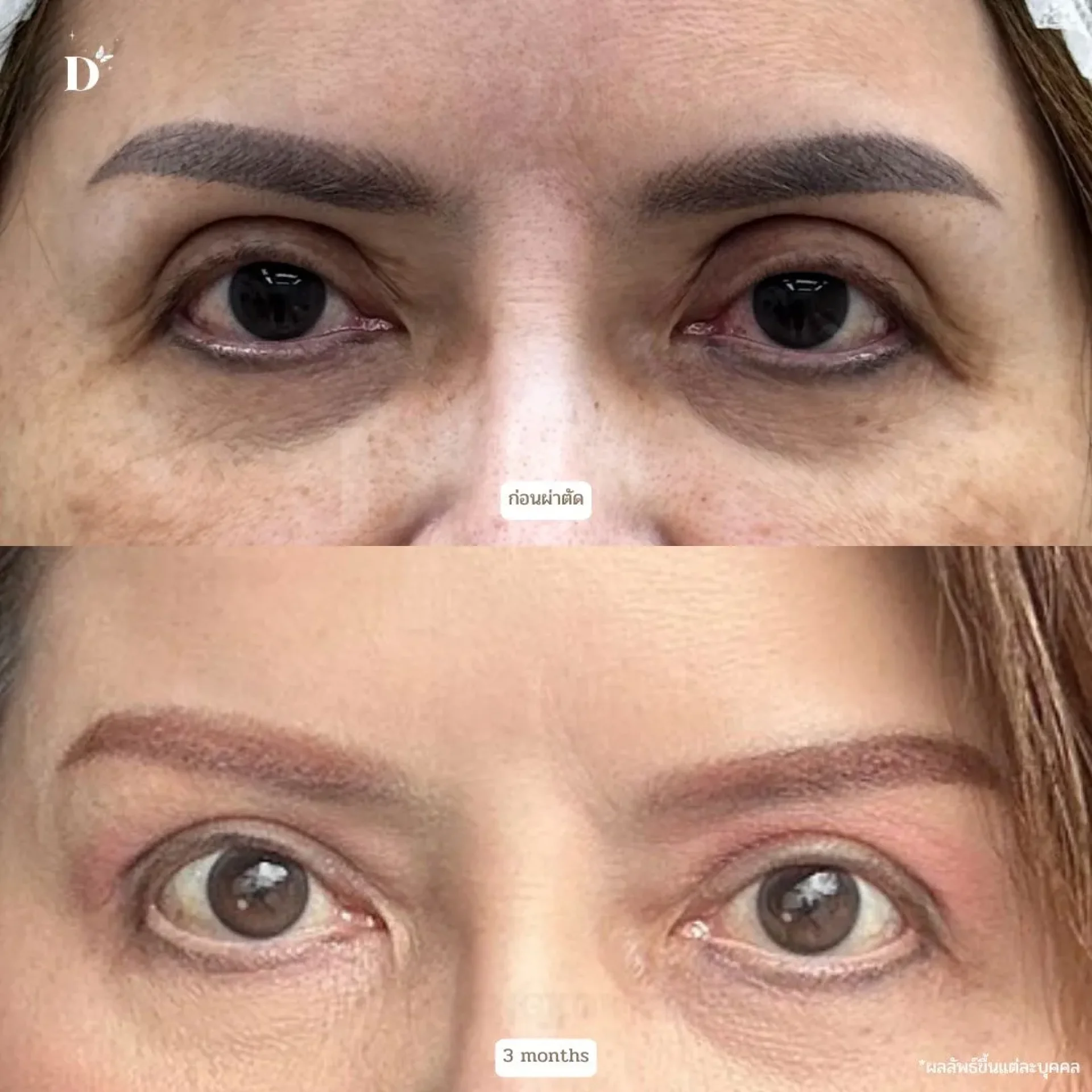
Revision Double Eyelid Surgery: Why Are the Eyelids Uneven and What Should Be Evaluated?
Revision double eyelid surgery requires a careful evaluation of the underlying cause of the problem. Uneven double eyelids, an excessively high crease, or difficulty opening the eyes after previous eyelid surgery may be related to different anatomical and functional factors.
Before planning eyelid revision surgery, the doctor should evaluate the eyelid structure and determine whether the main problem is related to the double eyelid crease, the eyelid-opening muscle, or a combination of both.
Two important factors that need to be assessed are:
1.The height and position of the double eyelid crease
2.The function of the eyelid-opening muscle
The ideal double eyelid crease height is different for each person.
Some patients may be more suitable for a subtle, hidden crease of approximately 4–6 mm, while others may be able to accommodate a higher crease, such as 10–11 mm. However, the appropriate crease height cannot be determined by measurement alone.
The doctor also needs to consider the patient's overall facial and eyelid anatomy, including:
>Orbital structure
>Eyebrow position
>Upper eyelid skin
>Eyelid fat
>Eyelid-opening muscle
>Existing eyelid crease
>Overall facial proportions
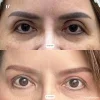
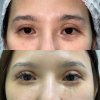
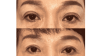
In some patients, a double eyelid crease that is too high for their individual anatomy may make the eyes more difficult to open or cause the eyes to appear more droopy.
Therefore, when performing revision double eyelid surgery, the goal is not simply to lower the crease by a certain number of millimeters. A comprehensive evaluation of the eyelid structure is necessary to determine the underlying cause and the appropriate surgical plan.
2. How Does the Eyelid-Opening Muscle Affect Revision Eyelid Surgery?
Another important factor is the function of the eyelid-opening muscle.
Some patients may have an underlying problem with the muscle that opens the eyelid, such as ptosis, which may have existed before the original double eyelid surgery but was not addressed at that time.
In other cases, patients may experience changes in eyelid opening after double eyelid surgery. If one or both eyes appear droopy or the eyes open unevenly, the eyelid-opening muscle should be evaluated.
This is why revision double eyelid surgery does not always involve correcting the eyelid crease alone. In selected cases, treatment of the eyelid-opening muscle may also be necessary.
What Causes Uneven Double Eyelids After Surgery?
Uneven double eyelids after surgery can occur for several reasons, including:
Differences in the position or height of the eyelid crease
Uneven fixation or suturing of the eyelid crease
Loosening or displacement of the suture used to create the crease
Natural differences in the anatomy of the two eyes
Differences in eyelid-opening muscle function
Differences in postoperative swelling and healing between the two sides
Because there are multiple possible causes, patients considering revision eyelid surgery should first have an evaluation to identify the specific reason for the asymmetry.
Does Uneven Double Eyelid Surgery Need to Be Corrected on Both Sides?
If the asymmetry is related to the position or fixation of the double eyelid crease, the doctor can assess the crease and determine an appropriate revision plan.
In many cases, correcting both sides may allow the surgeon to plan the eyelid creases together and achieve a more consistent postoperative healing process.
However, in selected patients, if the problem is clearly limited to one side and can be appropriately corrected, unilateral eyelid revision surgery may be considered.
Whether one or both sides should be revised depends on the individual anatomy, previous surgery, and underlying cause.
What If the Problem Is Related to Ptosis?
If the uneven appearance or difficulty opening the eyes is related to ptosis or eyelid-opening muscle dysfunction, correction of the eyelid muscle may be required rather than simply revising the double eyelid crease.
When one eyelid has reduced lifting function, the opposite eye may appear more widely open in comparison. This can make the two eyes appear significantly different even when the double eyelid creases themselves are similar.
In selected cases, correcting the eyelid-opening muscle on the affected side may help improve the symmetry of eye opening.
A detailed examination is therefore important to determine whether the main problem is the eyelid crease, eyelid-opening muscle, or both.
Why Is Finding the Cause Important Before Revision Double Eyelid Surgery?
Revision eyelid surgery requires careful planning because the eyelids have already undergone a previous surgical procedure. The tissue, crease, scar tissue, and supporting structures may have changed from their original condition.
The important question is therefore not simply:
“How can the double eyelid crease be corrected?”
but rather:
“Why are the two eyelids different in the first place?”
Identifying the underlying cause allows the surgeon to develop a treatment plan based on the patient's individual anatomy and previous surgical history.
Conclusion
Revision double eyelid surgery is not simply about making the two creases look the same.
For patients with uneven double eyelids, a high eyelid crease, postoperative droopy eyes, or asymmetrical eye opening, the evaluation should include the eyelid crease, eyelid anatomy, orbital structure, and the function of the eyelid-opening muscle.
Understanding the cause of the problem before surgery is an important part of planning an appropriate eyelid revision procedure for each individual patient.
About the Surgeon
Dr. Penake Thongtong
Ophthalmologist | Oculoplastic & Reconstructive Surgeon
Medical License No. 35131
D Bangkok Clinic