


Expert Eye Surgery
DR.PENAKE THONGTONG
Oculoplastic Surgeon
D Bangkok Clinic
Specialized Oculoplastic Care
Expert eyelid and periocular surgery by experienced ophthalmologists specializing in Oculoplastic Surgery.
Safety. Precision. Natural Results.
Oculoplastic & Eyelid Surgery Service
Double Eyelid Surgery
Double Eyelid Revision
Epicanthoplasty
Ptosis Correction
Eye Bag Removal
Sunken Eye Correction
Brow Lift
Double Eyelid Surgery Reviews

Confidence in Every Step of Your Care
at D Bangkok Clinic


Expert Articles
Performed by our team of experienced medical specialists at D Bangkok Clinic.
Blog
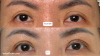
Case study of revision surgery for ptosis and uneven eyelid creases after double eyelid surgery, including treatment approaches and postoperative care.
 Dr.Penake Thongtong

Learn how to care for your eyes after double eyelid surgery for a Smooth Recovery.
Dr.Penake Thongtong
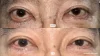
**Lower eyelid laxity or a sagging lower eyelid** may result from laxity of the structures that support the eyelid, causing changes in the position of the lower eyelid and lateral canthal area. Correction therefore involves more than simply tightening the skin; careful assessment of the eyelid structures and lateral canthal area is also important.
**Lateral Tarsal Strip (LTS)** is one of the surgical techniques used to correct lower eyelid laxity.
This article explores **Lateral Tarsal Strip (LTS)**, including the principles behind the technique, the surgical steps, treatment planning, and what patients can expect from the procedure.
Dr.Penake Thongtong
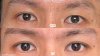
Unilateral double eyelid surgery for Asian men with uneven eyelid creases. Dr. Penake Thongtong, Oculoplastic Surgeon, creates natural, balanced and masculine-looking eyelids.
Dr.Penake Thongtong
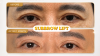
Discover how a Subbrow Lift can reduce sagging upper-eyelid skin while preserving your natural eyelid crease for a brighter, refreshed appearance.
Would you like an even shorter version for a website card?
 Dr.Pennung Thongtong
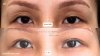
Upper eyelid fat grafting is a natural approach to addressing deep-set and hollow eyes by restoring lost volume around the upper eyelids. This article provides a detailed overview of the procedure, how to prepare for treatment, its benefits and limitations, and potential risks to consider—helping you make a well-informed and confident decision about your treatment.
Dr.Penake Thongtong
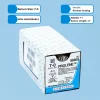
Why does D Bangkok Clinic use 7-0 sutures, which are extremely fine surgical sutures?
Dr.Penake Thongtong
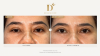
ค้นพบวิธีแก้หนังตาตกด้วย Müllerectomy กับคุณหมอเป็นเอก ที่ D Bangkok Clinic การผ่าตัดกล้ามเนื้อตาแบบไร้แผลภายนอก ฟื้นตัวไว ดูแลตัวเองอย่างไรให้ตาเป๊ะ? อ่านเลย!
Dr.Penake Thongtong

ตาไม่เท่ากัน ไม่จำเป็นต้องเป็นกล้ามเนื้อตาอ่อนแรงเสมอไป
Dr.Penake Thongtong

Read a real Double Eyelid Surgery and Mild Ptosis Correction case by Dr. Pennung Thongtong.
Dr.Pennung Thongtong
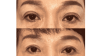
1.เลือกแก้ตาสองชั้นกับจักษุแพทย์เฉพาะทาง
2. คลินิกต้องได้มาตรฐานและน่าเชื่อถือ
3. พิจารณารีวิวแก้ตาสองชั้นที่เป็น "ของจริง"
4. แพทย์ให้คำปรึกษาอย่างตรงไปตรงมา
Dr.Penake Thongtong

What's suit me? I have droopy eyelid but what procedure will good for my eyes?
Dr.Penake Thongtong


D Bangkok Clinic
Typically replies in a few hours
Hello! Welcome to D Bangkok Clinic.
We specialize in eyelid surgery and aesthetic treatment -all performed by experienced oculoplastic surgeon.
Fell free to ask

Powered By
 MakeWebEasy