Ptosis : cause, how to know, treatment, how to care
Ptosis (droopy eyelid) is a condition that many people may have heard of, yet still do not quite understand what it is or how it affects the eyes and vision. If you or someone close to you starts noticing that the upper eyelid droops down over the eye, or feels that your vision is not as clear as it used to be, this article will explain ptosis in detail. It covers everything from the definition, causes, symptoms, and self-observation methods to appropriate care and treatment guidelines in friendly, easy-to-understand language so you can care for your eyes and overall health properly and effectively.
What is Ptosis? Understanding the Condition Easily
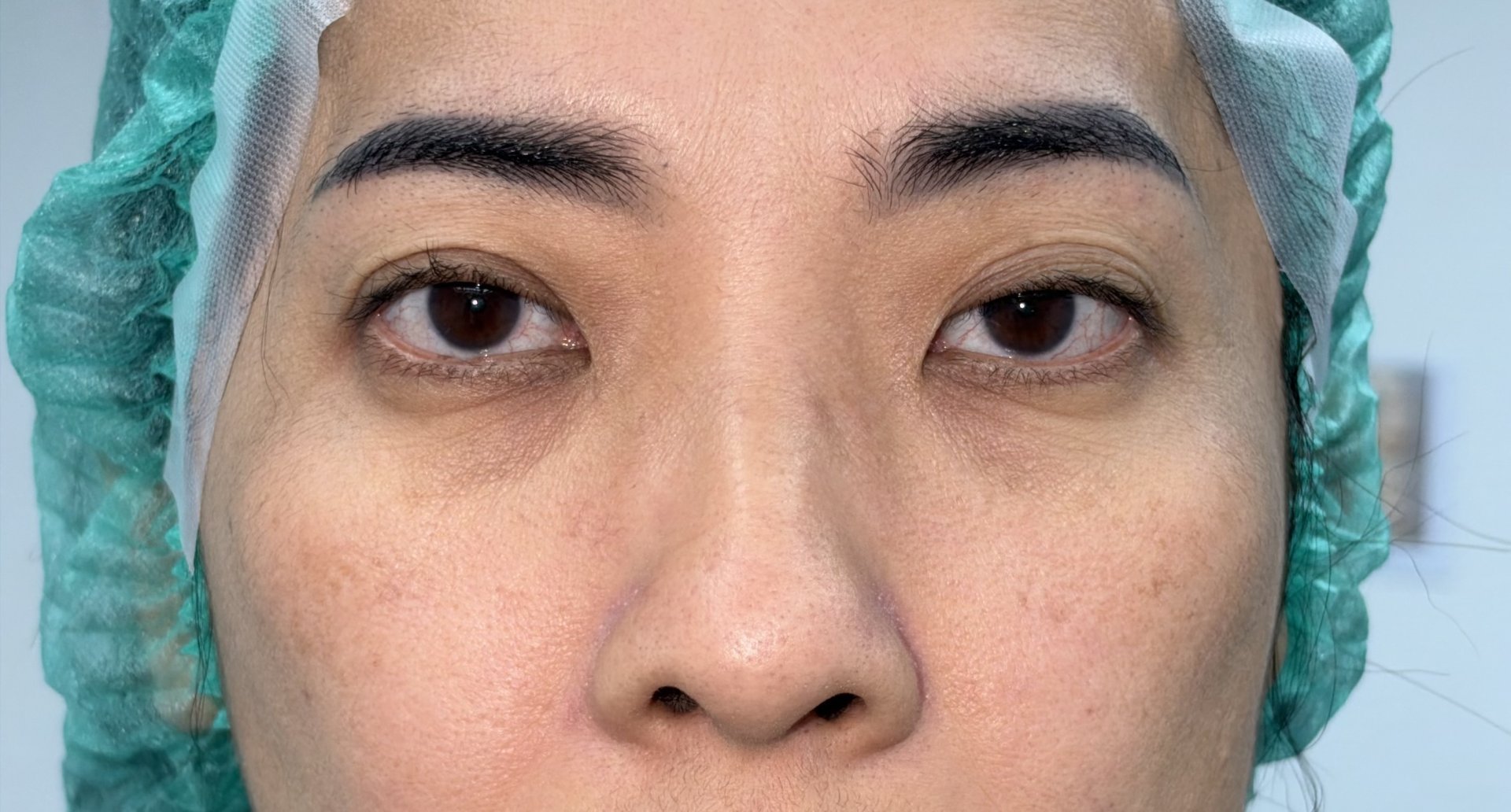
Ptosis is a condition where the muscle that lifts the upper eyelid cannot function at full capacity, causing the upper eyelid to droop and cover part or all of the eye. This obstructs vision and makes the face look tired or dull. This condition can occur in both children and adults, with causes and symptoms varying from person to person.
Main Causes of Ptosis
If we look closer at the causes of ptosis, we will see that several factors can trigger this condition. Understanding these causes helps us know how to better care for and prevent it.
>Age-related degeneration of the eyelid-lifting muscle. As we get older, the muscles and tissues that help lift the eyelid gradually deteriorate, preventing the muscle from working at full capacity and causing the eyelid to droop. This condition is commonly found in older adults and is the most frequent cause.
>Injury to the muscle or nerve. Accidents or surgeries around the face or head may damage the eyelid-lifting muscle or the nerves controlling it. This results in abnormal eye muscle function and leads to drooping eyelids.
>Certain neurological diseases. Conditions such as Myasthenia Gravis or other nervous system disorders can prevent muscles, including the eye muscles, from functioning normally, causing ptosis.
>Congenital conditions. In some cases, ptosis can occur from birth because the eyelid-lifting muscle did not develop completely or there is a congenital structural abnormality.
Symptoms of Ptosis to Watch For
Did you know that ptosis symptoms come in many forms that we can easily notice? Recognizing these symptoms helps you manage them in time. Common symptoms include:
The upper eyelid droops over part or all of the eye. This is the clearest sign. The upper eyelid falls over the eye, obstructing vision.
Tilting the head back or raising the eyebrows to see more clearly. Many people with this condition use their forehead muscles to raise their eyebrows or tilt their heads back to open their eyelids wider and improve their vision.
Eye fatigue, headaches, or eye pain. Because of the constant effort to keep the eyes open or strain the eye muscles, eye fatigue, headaches, or eye pain may follow.
Blurry or unclear vision. In some cases, drooping eyelids can alter vision, making it feel different or creating visual obstacles.
How to Do a Basic Self-Check for Ptosis
You can easily observe ptosis symptoms on your own at home to assess whether you should see a doctor. Try following these steps:
Check if the upper eyelid "droops" over more than half of the eye. If the upper eyelid falls over more than half of the eye, it may be a sign of ptosis.
Notice eye fatigue or feeling that vision is not as clear as before. If you frequently experience eye strain or unclear vision, pay close attention and monitor for additional symptoms.
Notice if you frequently tilt your head back or raise your eyebrows to see. If you find yourself often using your forehead muscles to lift your eyebrows or tilting your head up, it may indicate that ptosis is starting to affect your vision.
Check the symmetry of both eyelids. If only one eyelid droops or they appear uneven, it may suggest ptosis.
Care and Treatment Guidelines for Ptosis
Once you know that you or someone close to you has ptosis, proper care can help relieve symptoms and prevent potential complications. Here are approaches to consider:
Resting the eyes. Getting enough rest helps reduce eye fatigue. Adequate rest also allows the eye muscles to recover and function better.
Medication. In some cases, a doctor may recommend eye drops or oral medications to relieve symptoms or treat the underlying cause of ptosis, such as medications that enhance muscle function. Additionally, medications that boost nerve signals to muscles are used in cases of Myasthenia Gravis.
Physical therapy. For some individuals, eye muscle physical therapy can help strengthen the muscles and improve eyelid function. This technique includes exercises for the muscles around the eyes and gentle massage to stimulate blood circulation.
Ptosis correction surgery. If ptosis is severe and clearly affects vision, a doctor may recommend surgery to repair the eye muscle so it functions better. Surgery lifts the eyelid back up, restoring normal vision and giving the face a brighter appearance. Surgical outcomes are usually positive and significantly improve quality of life.
When Should You See a Doctor?
Seeing a doctor promptly is important, especially when you experience these symptoms:
The eyelid droops over half of the eye or more.
You have continuous eye fatigue, headaches, or eye pain.
Your vision becomes unclear or obstructed.
You frequently need to tilt your head back or raise your eyebrows to see.
Symptoms occur suddenly or rapidly worsen.
You have a history of injury or neurological diseases that may be related.
Summary
Ptosis is a condition caused by the abnormal functioning of the eyelid-lifting muscle, resulting in the eyelid drooping over part or all of the eye, obstructing vision, and making the face look tired. There are several causes, ranging from age-related muscle degeneration and injuries to neurological diseases or congenital conditions. Symptoms to watch for include drooping eyelids, tilting the head or raising eyebrows to see, eye fatigue, headaches, and unclear vision. Early self-observation and proper eye care are essential. If symptoms are severe or affect vision, you should consult a specialist for proper diagnosis and treatment.
With accurate knowledge and understanding of ptosis, you can properly care for your own eyes and those of your loved ones. Whenever you have questions or notice abnormal symptoms, always consult a doctor promptly for the right advice.
If you are interested in more information about eye health care, you can visit the Royal College of Ophthalmologists of Thailand website at www.thaieye.or.th or explore information from specialized eye clinics to receive advice tailored to your symptoms.